The Ultimate Guide to Choosing the Right Grease for Your Machinery
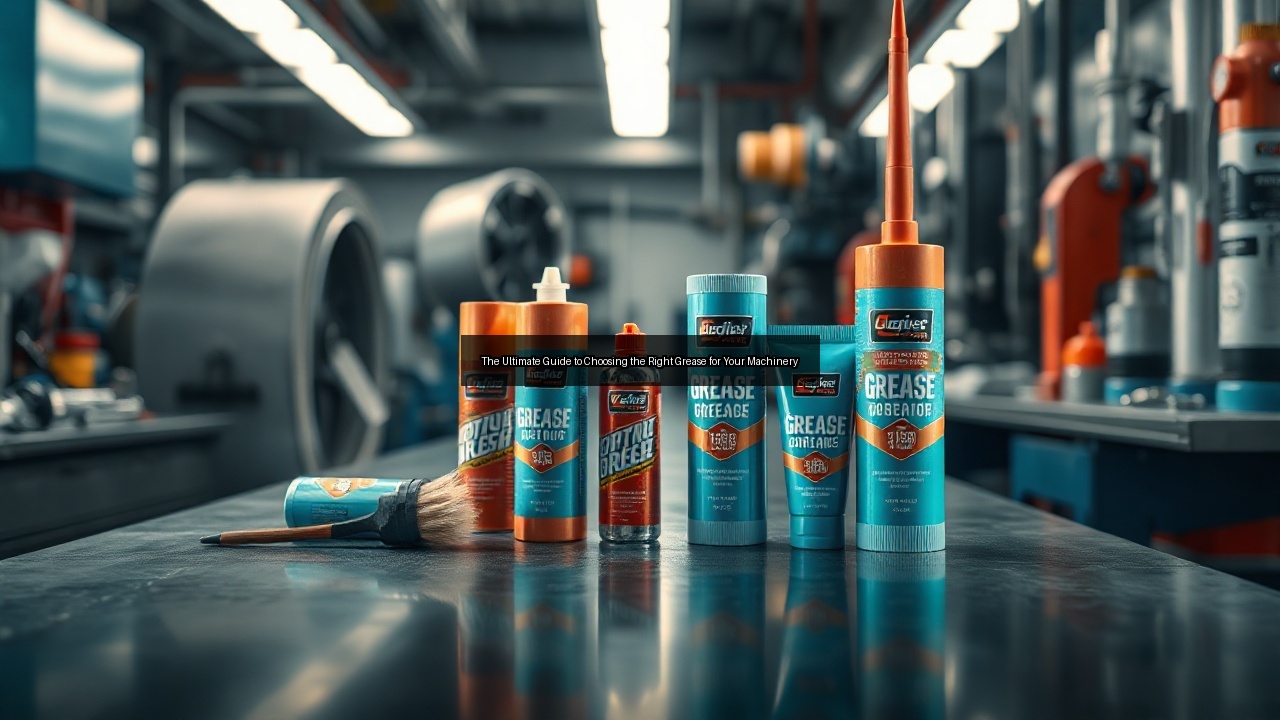
Understanding the Importance of Lubricant Grease
The Role of Lubrication in Machinery
Lubricant grease plays a critical role in the functionality and longevity of machinery. Without proper lubrication, moving parts experience excessive friction, leading to wear and potential failure. Lubrication creates a protective barrier between metal surfaces, significantly reducing the chance of direct contact. This barrier protects components like wheel bearings and gears, ensuring they operate smoothly. Regular application of the right grease not only enhances performance but also minimizes energy consumption, which is crucial for efficient machinery operation. Proper lubrication contributes to reduced maintenance costs and increased uptime, making it an essential aspect of equipment management.
How Grease Reduces Friction and Wear
Grease effectively reduces friction by creating a film that separates moving parts. This film prevents metal-to-metal contact, which is a primary cause of wear. Over time, inadequate lubrication leads to surface pitting, scoring, and even catastrophic failures. High-quality lubricant grease contains additives that improve its performance under various conditions, including extreme temperatures and pressures. These additives enhance the grease’s ability to cling to surfaces, ensuring lasting protection against wear. Consequently, choosing the right grease lubricant based on the application can significantly extend the lifespan of machinery. Regular monitoring and maintenance also help maintain optimal lubrication levels, further reducing wear and enhancing equipment reliability.
Benefits of Using the Right Grease for Bearings
Bearings, a critical component in many machines, require specific lubricants to function optimally. The right lubricant grease ensures that bearings operate smoothly, minimizing heat generation and wear. Using the appropriate grease can enhance load-carrying capabilities, especially under heavy operational conditions. For instance, lithium grease offers excellent performance in most applications, while specialized options exist for extreme situations. Proper grease selection contributes to longer bearing life, less downtime, and reduced maintenance needs. Furthermore, the right grease can prevent rust and corrosion, especially in high-moisture environments, protecting components from premature failure. Ultimately, investing time in selecting the correct lubricant grease pays off in enhanced machinery performance and longevity.
Types of Grease and Their Applications
Lithium Grease: Versatility and Performance
Lithium grease is one of the most commonly used lubricants in various applications due to its versatility and great performance. This grease lubricant has excellent adhesion properties, allowing it to stay in place even under high pressure protection for bearings under extreme pressure and temperature. It provides reliable protection for bearings, gears, and other moving parts, making it a popular choice for automotive, industrial, and agricultural machinery. Lithium grease can withstand moisture, making it suitable for use in environments prone to water exposure. Its ability to resist rust and corrosion further enhances its appeal. When selecting lithium grease, consider factors such as the specific machinery requirements and operating conditions to ensure optimal performance.
Silicone Grease Lubricant: High-Temperature Solutions
Silicone grease lubricant stands out for its unique properties, particularly in high-temperature applications. It offers exceptional thermal stability, making it suitable for machinery that operates under extreme conditions. Silicone grease excels in environments where other greases may break down or lose effectiveness. Its non-reactive nature ensures it does not harm plastic gears or rubber seals, making it an ideal choice for a wide range of applications, including automotive, electrical, and plumbing. Additionally, silicone grease provides excellent water resistance, making it a reliable option for outdoor or marine equipment. When choosing a silicone lubricant, consider the specific temperature ranges and compatibility with materials used in your machinery.
Specialized Greases for Marine and Agriculture
Marine and agricultural applications often face unique challenges that standard greases cannot address. Specialized greases formulated for these sectors offer enhanced protection against harsh conditions, such as saltwater and dirt exposure. Marine grease typically contains additives that prevent corrosion and rust, crucial for components like trailers and boat winches. In agriculture, greases need to withstand dust, moisture, and heavy loads while maintaining effective lubrication for bearings and pivots. Choosing the right grease for these applications ensures reliable performance and reduces maintenance intervals. Always check for products specifically designed for marine or agricultural use to achieve optimal results and longer component life.
Selecting the Right Grease for Your Needs
Factors to Consider: Temperature, Pressure, and Moisture Levels
Selecting the right lubricant grease involves careful consideration of several factors, including temperature, pressure, and moisture levels. Different greases perform differently under varying conditions, so understanding your machinery's operating environment is essential. High-temperature applications may require specialized greases that can withstand extreme heat without breaking down. Similarly, high-pressure situations demand lubricants with superior load-bearing capabilities. Moisture levels also play a critical role; greases designed for wet environments often contain additives that prevent rust and corrosion. Assessing these conditions will help you choose the best grease for optimal performance and longevity, ultimately enhancing the reliability of your machinery.
High-Performance Options for Demanding Applications
For demanding applications, high-performance lubricants are essential. These greases are formulated with advanced thickeners and additives to withstand severe operating conditions, including extreme temperatures and heavy loads. Industries such as mining, construction, and manufacturing often require lubricants that can handle these challenges. High-performance grease minimizes wear and friction, leading to longer component life and reduced maintenance efforts. When selecting a high-performance option, consider the specific requirements of your machinery, including load ratings and environmental factors. Investing in the right lubricant grease for demanding applications ensures that your equipment remains operational and efficient, reducing costly downtime.
Formulations for Extended Service Intervals
Extended service intervals can significantly reduce maintenance costs and downtime in industrial settings. Formulations designed for longer-lasting performance incorporate advanced additives that enhance the lubricant's stability and effectiveness over time. These greases resist oxidation and contamination, allowing them to maintain their protective qualities longer than standard options. Selecting a grease that supports extended service intervals also requires consideration of the application and operational demands. Industries that experience minimal downtime, such as automotive and aerospace, benefit greatly from these formulations. Always ensure that the selected grease meets the required specifications for your machinery to achieve optimal performance and reliability.
Maintenance Tips for Optimal Grease Performance
How to Apply Lubricating Grease Effectively
Applying lubricating grease effectively is vital for maximizing its performance. Start by cleaning the area where the grease will be applied to remove old lubricant and debris. Use a brush or cloth to ensure a clean surface. When applying grease, use the appropriate amount; too much can attract dirt, while too little may not protect adequately. For bearings and gears, ensure even distribution to prevent localized wear. Consider using a grease gun for precise application, especially in hard-to-reach areas. Regular maintenance checks can help identify any issues early, ensuring your machinery operates smoothly and efficiently, which ultimately enhances its lifespan.
Signs That Your Grease Needs Replacement
Recognizing when grease needs replacement is crucial for maintaining machinery health. Signs include unusual noises, increased operating temperatures, or visible contamination. If you notice a buildup of dirt or debris around lubrication points, it may indicate that the grease has degraded. Additionally, if components show signs of wear or rust, it’s time to inspect the grease quality. Regular checks and timely replacements help prevent catastrophic failures and extend products designed to reduce wear and maintenance the life of your machinery. Developing a routine maintenance schedule ensures that your equipment remains in optimal condition, reducing overall repair costs and enhancing performance.
Products to Enhance Grease Longevity: WD-40, B'laster, and More
Several products enhance grease longevity and performance, including well-known brands like WD-40 and B'laster. WD-40 provides excellent protection against rust while penetrating and loosening stuck parts, making it a valuable addition to your maintenance toolkit. B'laster offers products designed to enhance lubrication and protect against wear, rust, and corrosion. Consider using these products alongside your chosen lubricant grease to achieve optimal results. Regularly applying these solutions can significantly improve the lifespan of your machinery, ensuring that it operates efficiently. Always follow the manufacturer's guidelines for application to achieve the best possible results and enhance your equipment’s performance.
See Also
- Top Grease Solutions for Extreme Temperature Operations
- How to Protect Your Tools with the Right Lubricating Solutions
- The Science Behind High-Performance Greases for Industrial Use
- Exploring the Benefits of Lithium Grease for Heavy-Duty Applications
- Grease Application Techniques to Boost Performance and Longevity