From Aluminum to Inconel Exploring Materials in Aerospace Machining Services
Understanding Aerospace Machining Services
Overview of Aerospace Machining
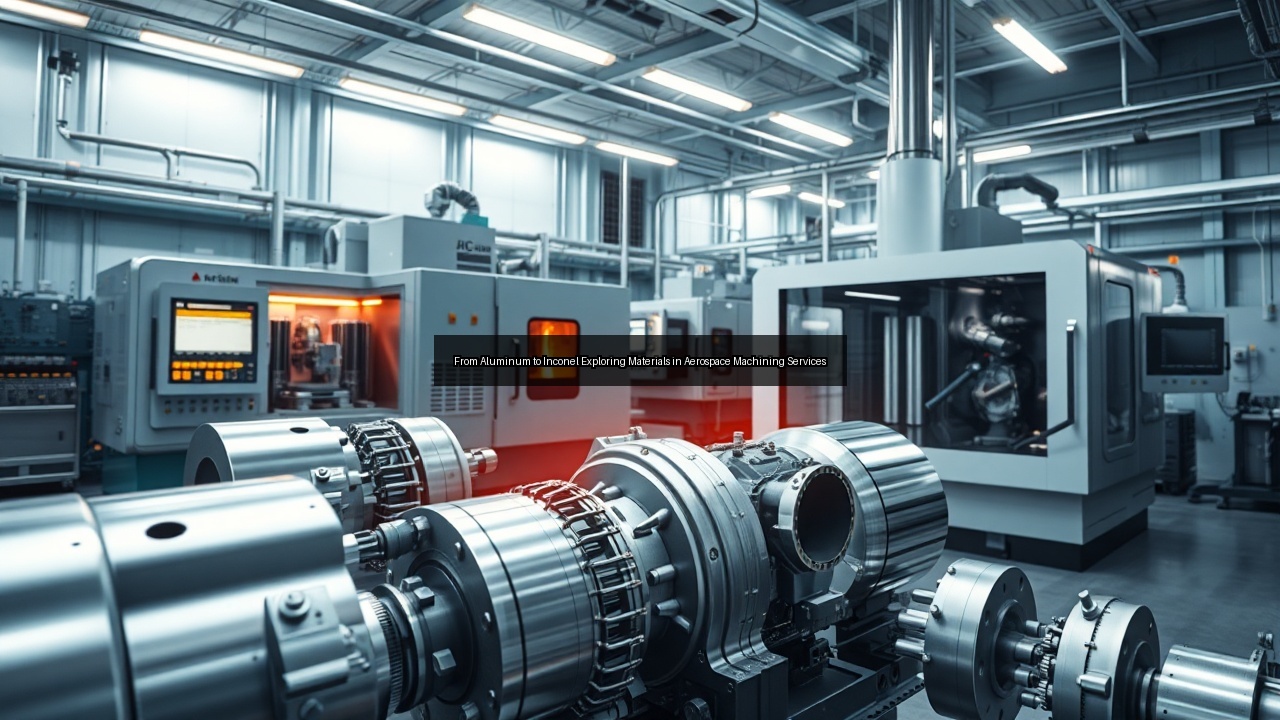
Aerospace machining delivers precision components that keep aircraft and spacecraft operational. Manufacturers rely on advanced CNC machining for aerospace parts such as engine mounts, landing gear fittings, and structural brackets. These processes shape raw metals into flight-ready pieces that meet strict performance demands. Aerospace cnc machining service providers handle both prototypes and high-volume runs for commercial aircraft and defense programs. Every machined part undergoes rigorous inspection to confirm dimensional accuracy before assembly. Companies that specialize in aerospace manufacturing combine experience with modern equipment to support helicopter airframes and navigation systems alike. The focus remains on consistent output that withstands extreme conditions during flight.
Importance of AS 9100 Certification in Aerospace
AS 9100 certification establishes the quality management standard required by most aerospace OEMs. Facilities that hold this credential demonstrate documented processes for design control, risk mitigation, and traceability. as 9100 machining services for aerospace must maintain these systems to win contracts from major suppliers. Certification covers everything from raw material verification to final shipment records. Leadership teams use the framework to drive continuous improvement across every department. Customers gain confidence knowing that certified shops follow disciplined procedures that reduce defects and support on-time delivery. Without this credential, many aerospace manufacturing programs refuse to consider a supplier regardless of equipment capabilities.
Key Materials Used in Aerospace Machining
Material selection drives the entire aerospace machining workflow. Engineers evaluate strength-to-weight ratios, corrosion behavior, and temperature limits before approving any metal for flight hardware. Aluminum dominates airframe structures because it machines quickly and keeps overall aircraft weight low. Titanium appears in engine components and fasteners where high strength and corrosion resistance matter most. Inconel handles the hottest sections inside turbine engines. Stainless steel provides versatility for brackets and hydraulic fittings. CNC machined parts made from these metals must hold tight tolerances while preserving mechanical properties. Proper material knowledge prevents costly scrap and ensures every component performs reliably once installed.
Materials in Aerospace Machining
Aluminum: The Lightweight Champion
Aluminum remains the most widely used metal in aerospace manufacturing due to its low density and excellent machinability. Shops produce thousands of aluminum brackets, ribs, and skin panels each month using 5-axis CNC machining for aerospace. Alloys such as 7075 and 2024 deliver the strength needed for primary structures while keeping weight under control. Machinists adjust speeds and feeds to achieve fine surface finishes that reduce drag on commercial aircraft. Heat treatment after machining restores full mechanical properties without warping the part. Many aerospace cnc programs start with aluminum because it allows rapid iteration during design validation. The metal also accepts coatings that further improve fatigue life in demanding flight environments.
Titanium: Strength and Corrosion Resistance
Titanium offers an outstanding combination of strength, low weight, and corrosion resistance that aluminum cannot match. Aerospace manufacturers machine titanium for engine mounts, landing gear components, and fasteners exposed to harsh environments. The material work-hardens quickly, so CNC machining of aerospace metals requires rigid setups and sharp tooling to maintain precision. Shops often use trochoidal milling strategies to manage heat and extend tool life. Titanium parts frequently appear in both commercial aircraft and military helicopters because they withstand saltwater and chemical exposure without degradation. Proper coolant delivery and chip evacuation become critical when running long production batches of titanium aerospace parts.
Inconel: High-Temperature Performance
Inconel excels in sections of the engine that reach extreme temperatures. Turbine blades, combustor liners, and exhaust components rely on this nickel-based superalloy for creep resistance and oxidation protection. Machining Inconel demands lower cutting speeds and specialized inserts because the material retains hardness at elevated temperatures. Aerospace CNC machining service providers invest in high-pressure coolant systems and ceramic tooling to achieve acceptable tool life. Every Inconel component undergoes CMM inspection to verify critical features that affect engine efficiency and safety. The alloy’s performance justifies the added machining challenges when the part must survive thousands of flight hours without failure.
Stainless Steel: Versatility in Components
Stainless steel provides reliable strength and corrosion resistance for secondary structures and fluid system parts. Aerospace manufacturers machine 17-4 PH and 15-5 PH grades into valve bodies, actuator housings, and instrumentation mounts. These metals respond well to CNC machining and accept a variety of coatings that enhance wear resistance. Stainless steel components often serve in areas where weight savings matter less than durability and ease of maintenance. Shops maintain separate tooling libraries for steel to avoid cross-contamination with aluminum or titanium lines. Consistent process control ensures that stainless steel aerospace parts meet the same tight tolerances required for flight-critical applications.
CNC Machining of Aerospace Metals
CNC machining of aerospace metals integrates multiple operations into single setups to reduce handling and maintain accuracy. Five-axis mills create complex contours in aluminum, titanium, Inconel, and stainless steel without repositioning the workpiece. Programmers optimize tool paths to minimize residual stress that could distort finished parts. Aerospace cnc machining service teams document every parameter so production runs remain repeatable across global supply chain locations. Real-time monitoring of spindle loads and tool wear helps prevent scrap on expensive materials. The result is a steady flow of high-quality machined components that integrate directly into larger aircraft assemblies.
Precision and Quality Control in Machining
Achieving Tight Tolerances in Aerospace Components
Aerospace components routinely require tolerances of ±0.0005 inches or tighter on critical features. Achieving these dimensions starts with stable fixturing and calibrated machine tools. CNC operators monitor thermal growth and compensate for tool deflection during long cuts. CMM verification confirms that every batch meets the drawing requirements before parts move to the next operation. Consistent achievement of tight tolerances reduces assembly time and prevents vibration issues once the aircraft enters service. Manufacturers track capability indices on key dimensions to demonstrate process stability to customers and certification bodies.
The Role of CMM in Quality Assurance
Coordinate measuring machines provide the dimensional data that underpins aerospace quality control. Technicians program CMM routines to inspect hundreds of features on each machined part in a fraction of the time required for manual checks. Automated reports feed directly into statistical process control systems used by as9100 certified facilities. When deviations appear, teams trace the issue back through the manufacturing process and implement corrective actions quickly. The CMM also supports first-article inspections that many OEMs require before approving production quantities. Reliable measurement data builds trust between suppliers and their aerospace customers.
Coatings and Their Importance in Aerospace Machining
Coatings protect machined aerospace parts from wear, corrosion, and galling. Anodizing, passivation, and thermal spray coatings each address specific environmental demands on commercial aircraft and helicopters. Shops must mask precision surfaces before coating application to preserve tight tolerances. Proper surface preparation after CNC machining ensures adhesion and long-term performance. Some coatings also reduce friction in moving assemblies such as actuators and landing gear mechanisms. Aerospace manufacturers specify coating thickness and inspection methods in the same drawings that define the machined geometry.
Supply Chain Management in Aerospace Manufacturing
Understanding the Global Supply Chain
The global supply chain for aerospace parts spans multiple continents and dozens of specialized suppliers. Raw material producers, machine shops, and finishing providers must coordinate schedules to keep aircraft production lines moving. Visibility into inventory levels and lead times helps OEMs avoid costly delays. Aerospace manufacturing programs track every shipment with serialized documentation required by regulatory agencies. Effective supply chain management balances cost, quality, and delivery performance across all tiers of suppliers.
Risks in Outsourced Aerospace Machining
Outsourced aerospace machining introduces risks related to capacity, quality consistency, and intellectual property protection. A single supplier disruption can halt an entire aircraft program. Buyers evaluate financial stability, equipment redundancy, and ITAR compliance before awarding work. Regular audits and performance scorecards help identify developing problems early. Diversifying across multiple qualified sources reduces exposure while maintaining the high standards demanded by aviation customers.
The Importance of Supplier Relationships
Strong supplier relationships enable faster problem resolution and collaborative design improvements. Long-term agreements give machine shops the confidence to invest in new equipment and training. Open communication channels allow early involvement in new product development so manufacturability issues surface before tooling is built. Trusted partners often receive priority when capacity tightens, ensuring steady supply for critical aerospace programs.
Future Trends in Aerospace Machining
Innovations in Aerospace Materials and Machining Techniques
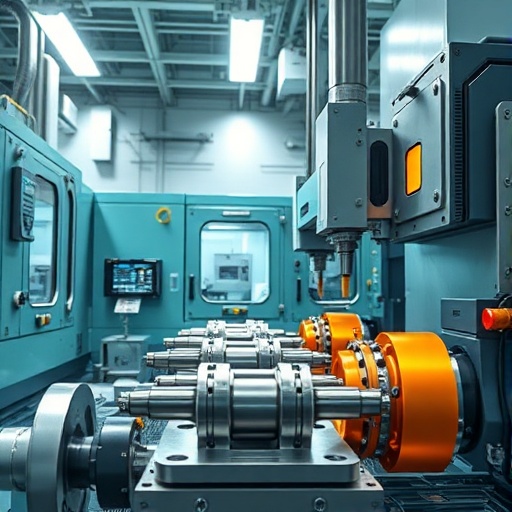
New alloys and additive-hybrid processes continue to expand design possibilities in aerospace manufacturing. Hybrid machines that combine deposition and machining reduce material waste on large structural parts. Adaptive toolpath software adjusts cutting parameters in real time based on sensor feedback. These advances allow shops to produce lighter, stronger components while shortening lead times for both commercial aircraft and defense platforms.
The Role of Ingenuity and Leadership in Aerospace Manufacturing
Leadership teams that encourage ingenuity drive meaningful gains in productivity and quality. Cross-functional workshops bring machinists, programmers, and engineers together to refine processes. Recognition programs reward suggestions that reduce cycle time or scrap rates. This culture of continuous improvement keeps certified facilities competitive as aerospace cnc machining service demands evolve.
Impact of ITAR Regulations on Aerospace Machining
ITAR regulations control the export of technical data and hardware related to defense articles. Shops handling ITAR-controlled work must maintain secure facilities, employee screening, and detailed record-keeping. Compliance adds administrative overhead but opens access to programs that require domestic production. Aerospace manufacturers integrate ITAR controls into their existing AS9100 systems so both quality and security requirements are met without conflicting procedures.
See Also
- Mitigating Risks in Aerospace Projects through Quality Control in Machining
- The Role of AS 9100 Certification in Enhancing Aerospace Manufacturing Excellence
- Navigating the Global Supply Chain for High-Quality Aerospace CNC Machining
- Unlocking Precision in Aerospace with AS 9100 Certified Machining Services